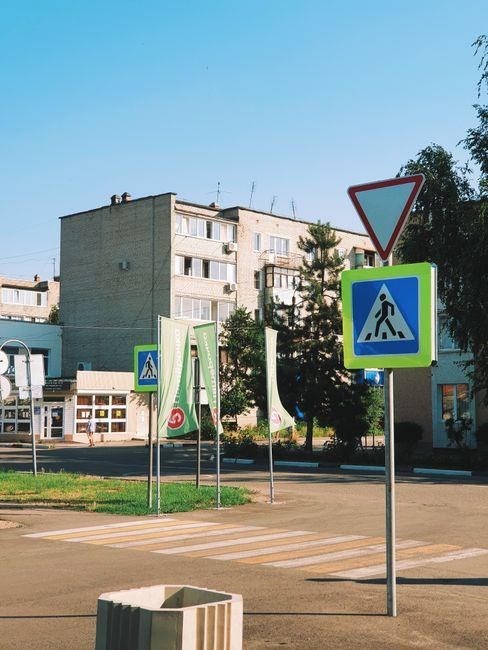
chapter 6 traffic signs manual outlines the framework for road safety, detailing design, placement, and maintenance of signs. It consolidates regulatory, warning, and guide signage standards, ensuring consistency across national networks and supporting effective driver communication. 2026. Reved.
Purpose and Scope of Chapter 6
Chapter 6 of the Traffic Signs Manual serves as the definitive reference for the design, implementation, and regulation of all traffic control devices across the United Kingdom. It consolidates the legal framework, technical specifications, and best‑practice guidelines that underpin safe and efficient roadways. Each section provides detailed criteria for shape, colour, lettering, and reflective properties, ensuring that signs meet the stringent visibility requirements set by the Department for Transport and the Highway Code.
The scope extends beyond static signage to encompass dynamic traffic signals, road markings, and temporary control measures used during construction or special events. It also outlines the responsibilities of local authorities, sign manufacturers, and maintenance teams, clarifying the processes for sign approval, installation, and periodic inspection. The manual incorporates recent research on driver perception and cognitive load, integrating evidence‑based recommendations that enhance comprehension and compliance. Furthermore, it aligns with European Union directives and international standards such as the Vienna Convention on Road Signs and Signals, ensuring interoperability for cross‑border traffic.
In practice, Chapter 6 functions as a living document, updated annually to reflect technological advances, legislative changes, and emerging safety data. Users are encouraged to consult the latest edition, available through the Department for Transport’s online portal, and to participate in training programmes that reinforce the manual’s principles. By adhering to its guidelines, road planners, engineers, and sign operators contribute to a coherent visual language that reduces confusion, mitigates risk, and promotes a culture of safety for all road users. Regular audits ensure compliance.
Warning Signs Overview
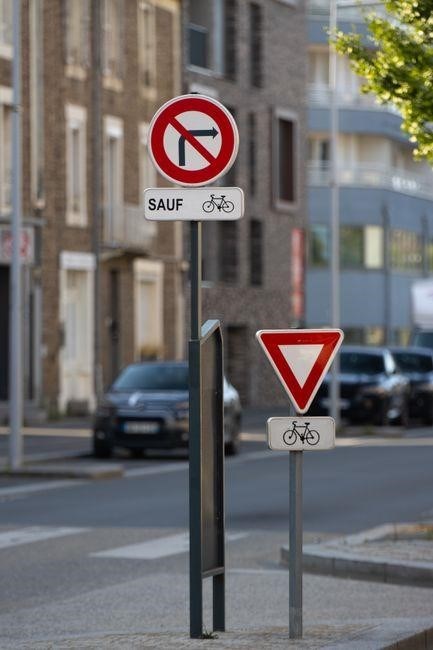
Warning signs in Chapter 6 are designed to alert drivers to hazards ahead. They use a yellow diamond shape, black symbols, and clear text. The manual specifies dimensions, reflective coatings, and placement criteria to ensure maximum visibility under all conditions
Design Principles and Color Coding for Warning Signs
Chapter 6 establishes that warning signs must convey imminent danger or change in road conditions. The design principle centers on high contrast: a yellow diamond background with black symbols or text. The shape is standardized to a 1:1 aspect ratio, ensuring recognizability at high speeds. Symbols are simple, pictographic, and universally understood, such as a falling tree, slippery surface, or pedestrian crossing ahead. Color coding follows ISO 3867: the yellow field signals caution, while the black symbol indicates the specific hazard. Additional safety features include retroreflective sheeting to maintain visibility at night and in adverse weather. Placement guidelines require a minimum of 200 m before the hazard for high‑speed roads, with a 100 m buffer on lower‑speed roads. above the ground, and that they be spaced to avoid visual clutter. Maintenance protocols call for annual inspections, cleaning with non‑abrasive detergents, and replacement of any damaged reflective material. These combined principles ensure that drivers receive timely, clear warnings, reducing collision risk and enhancing overall traffic safety. All updates are in repo!.
Regulatory Signs Details
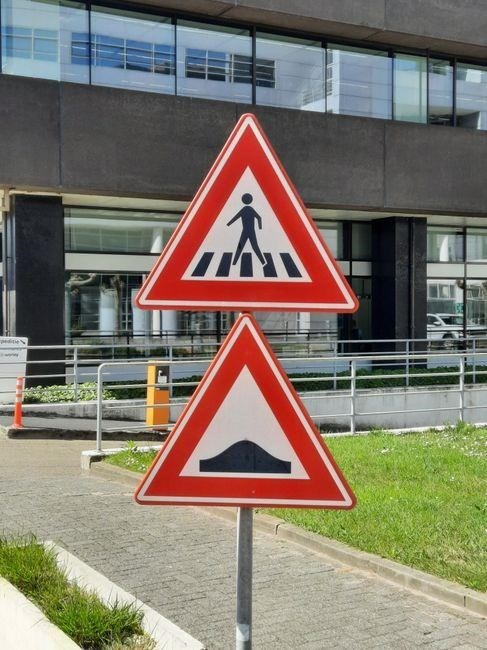
Regulatory signs enforce traffic laws. Chapter 6 defines shapes: circles for prohibitions, squares for mandatory instructions. Colors: red for prohibition, blue for mandatory. Symbols are bold, high‑contrast. Placement follows a 1:1 aspect ratio, ensuring visibility; Maintenance requires annual checks.!
Types and Functions of Regulatory Signs
Regulatory signs enforce legal requirements on the road. Chapter 6 specifies three main categories: prohibitory, mandatory, and warning‑type regulatory signs. Prohibitory signs are circular with a red border and a white background; the symbol is crossed out to indicate what drivers must not do (e.g., No Entry, No U‑Turn). Mandatory signs are also circular but use a blue background with a white symbol, directing drivers to follow a specific action (e.g., Keep Left, Speed Limit 50 km/h). The third group, regulatory warning signs, combines the red border of prohibitory signs with a yellow background to alert drivers to upcoming restrictions (e.g., Roadworks Ahead, School Zone). Each sign type follows strict font and symbol guidelines to ensure legibility at high speeds. Placement rules mandate a minimum of 30 m before the action point for prohibitory signs and 15 m for mandatory signs, with additional reflective strips for night visibility. Maintenance schedules require annual visual inspections and cleaning to preserve reflective paint and symbol clarity, as outlined in Chapter 6’s maintenance section. The uniformity of shape, color, and symbol across all regulatory signs guarantees that drivers receive consistent, unambiguous information, thereby reducing accidents and improving traffic flow. Compliance with these specifications is mandatory authorities, ensuring meets rigorous standards, fostering safer driving environments nationwide. Staff must verify compliance annually
Guide Signs and Information Signs
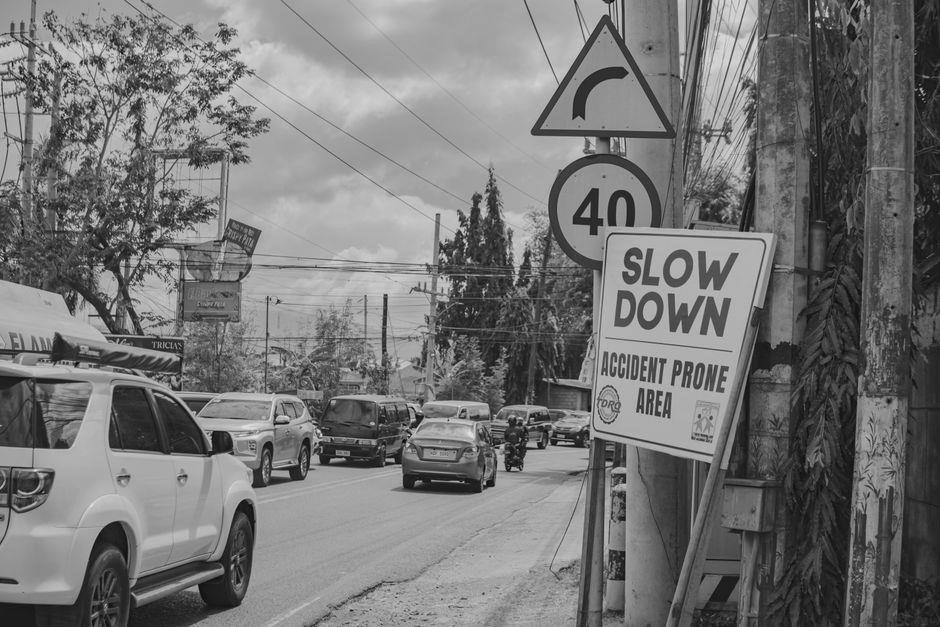
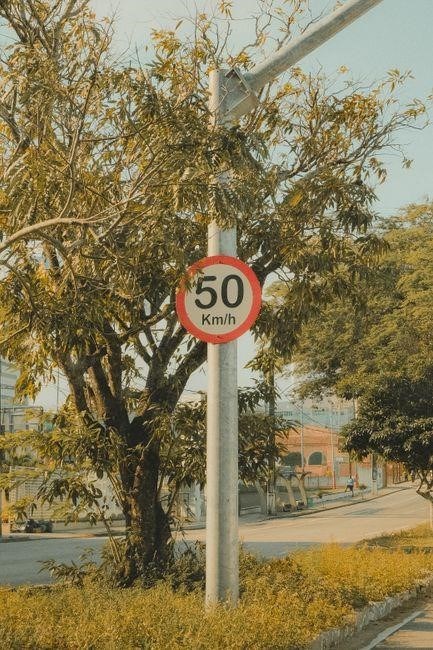
Guide signs deliver route, location, and facility information. Chapter 6 specifies white signs with black symbols, blue or green borders for directional, destination, and service signs. They must be placed 30 m before junctions, reflective for night use, and cleaned annually to maintain legibility!
Hierarchy and Placement Guidelines
Guide and information signs are organized into a clear hierarchy to aid driver comprehension for all road users and avoid accidents every! The highest priority is the main route marker, followed by secondary route markers, destination signs, and service signs. Placement follows strict rules: main route markers appear at the start of a route and every 200 m thereafter; secondary markers are positioned 100 m apart on major roads; destination signs are placed 30 m before junctions and 50 m before exits; service signs (e.g., hospitals, petrol stations) are located 20 m before the point of interest. All signs must be mounted at a minimum height of 1.5 m above ground level, with a clear line of sight for drivers. Reflective sheeting is mandatory for night visibility, and signs must be cleaned at least twice a year to prevent glare and ensure legibility. The design must avoid visual clutter by spacing signs so that the driver’s eye can process information sequentially without distraction. Compliance with these guidelines ensures consistent signage across the network, enhancing safety and navigation efficiency. Additionally, the spacing between signs on multi‑lane roads must account for lane width, ensuring that each lane receives its own directional cue without overlap. Signage at intersections should be positioned to allow a 45° field of view, enabling drivers to anticipate upcoming changes. The placement strategy also considers pedestrian pathways, ensuring that signs do not obstruct crosswalks or visibility for vulnerable road users.

Traffic Signals Integration
Chapter 6 requires traffic signals to coordinate with road signs, using standard colors and timing for driver clarity. Signals must align with sign placement, integrate with pedestrian cues, be regularly maintained and calibrated to uphold safety standards!!!
Signal Timing and Coordination Standards
Chapter 6 establishes precise timing protocols for traffic signals to harmonize with road signage, ensuring drivers receive consistent, timely information. The manual specifies cycle lengths, green‑phase durations, amber intervals, and red‑phase coordination to accommodate pedestrian crossings and turning movements. Signal timing must adapt to traffic volumes, vehicle mix, and safety margins, using adaptive controllers where appropriate. Coordination standards dictate that adjacent signals align to prevent abrupt changes, reduce driver confusion, and improve flow efficiency. The manual recommends using uniform signal phasing across intersections, with clear documentation of timing plans. Maintenance schedules require periodic verification against published standards, and any deviations must be corrected within a defined audit period. Compliance is monitored through field inspections, data logging, and performance metrics such as average delay and intersection capacity. The chapter also addresses special scenarios, including emergency vehicle preemption, school zone timing, and night‑time signal adjustments. By enforcing these standards, Chapter 6 supports a coherent traffic control system that enhances safety, reduces congestion, and aligns with national road safety objectives. Future revisions will incorporate emerging technologies such as connected vehicle communication, adaptive signal priority, and real‑time data analytics, ensuring the manual remains a living document that evolves with the dynamic nature of modern traffic systems. Appendix A: diagrams here.?!
Pedestrian Crossing Signals
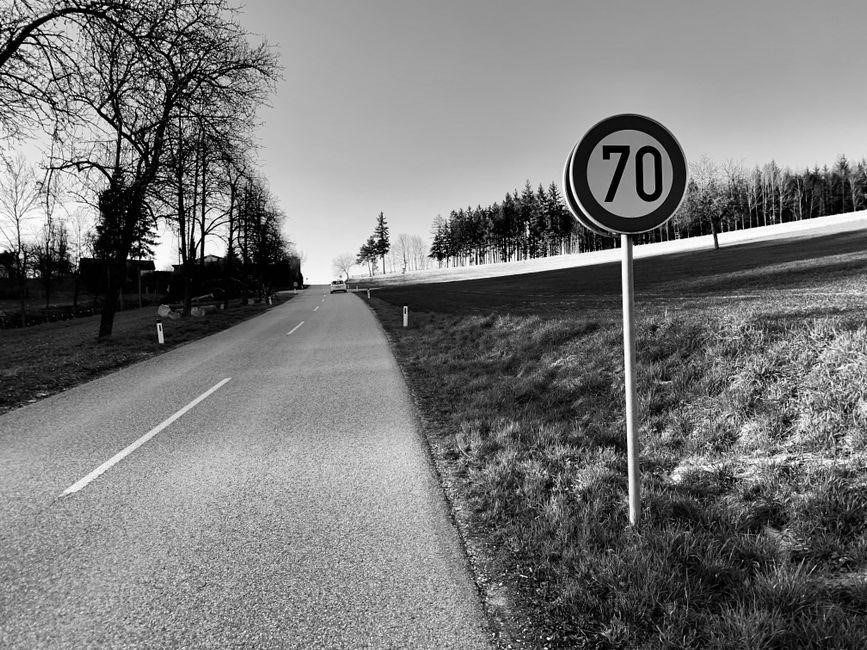
Chapter 6 sets pedestrian signal design, placement, and operation. It requires WALK/DO NOT WALK signs, countdown timers, audible alerts, and visibility standards. Signals coordinate with traffic lights to ensure safe crossing and compliance. National safety!.
Signal Phases and Signaling Devices
Chapter 6 specifies that pedestrian crossing signals must follow a standardized sequence: a green WALK sign, a countdown timer, a red DON’T WALK sign, and an audible alert for the blind. The WALK phase should last a minimum of 6 seconds, extended by a 2‑second buffer for wide pedestrians. The countdown timer must display seconds remaining in a clear, high‑contrast font. The red phase includes a flashing “DON’T WALK” sign for 4 seconds, followed by a solid red to indicate the end of the cycle. Audible signals are required when the WALK phase begins and when the countdown reaches zero, using a 1 kHz tone at 70 dB. Signaling devices must be mounted at a height of 1.5 m, with a minimum visibility distance of 50 m in daylight and 30 m at night. The devices must be weather‑proof, with a minimum impact rating of 4 on the ISO 9001 standard. All components must be calibrated annually to maintain timing accuracy within ±0.5 seconds. The manual also mandates that signals be integrated with the main traffic signal controller, allowing for adaptive timing based on pedestrian volume and vehicle flow. Compliance with these specifications ensures that pedestrian safety is maintained while allowing efficient traffic movement, aligning with international best practices and fostering consistency across jurisdictions.

Sign Visibility and Maintenance Requirements
Sign visibility must meet ISO 9001: reflectivity ≥ 0.5 at 1 m, visible 50 m day, 30 m night. Maintenance: clean annually, replace after 5 years, inspect for damage quarterly. Use high‑contrast colors, secure mounting, and anti‑glare coatings; Compliance ensures safety and clarity. All signs checked.
Reflective Properties and Cleaning Protocols
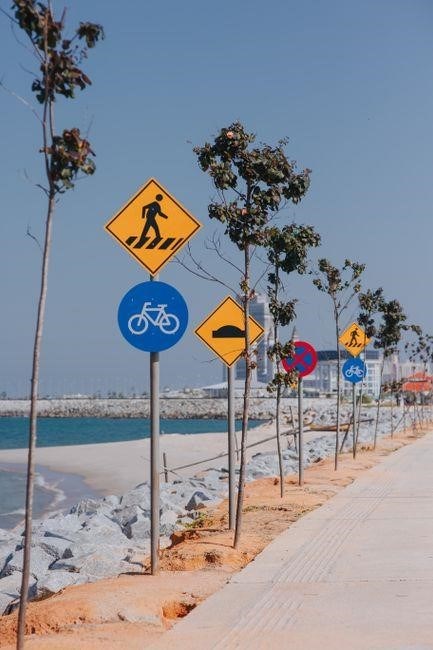
ISO 1314 and the UK Traffic Signs Manual require all permanent road signs to have a minimum specular reflectivity of 0.5 m² sr⁻¹ at 1 m. This ensures visibility up to 50 m day and 30 m night, even in adverse weather. Reflective paint is applied cleanly and a clear coat resists UV and chemical wear.
Cleaning protocols preserve the reflective surface and lettering. A maintenance cycle of three times per year is recommended, with extra cleanings after heavy rain, snow, or when a visual check shows a reflectivity drop >10 %. The procedure involves:
- Using a soft, lint‑free microfiber cloth or low‑lint brush.
- Applying a mild, pH‑neutral detergent (≤1 % soap in water).
- Rinsing with distilled water to avoid mineral deposits.
- Drying with a clean towel or low‑pressure air blow.
- Re‑testing reflectivity with a portable reflectometer; if below 0.5 m² sr⁻¹, re‑coat or replace.
All cleaning actions are logged with date, weather, and anomalies. This record supports proactive sign management and compliance audits under the Department for Transport’s safety framework. Reflectivity should be measured with a calibrated reflectometer; readings below 0.5 m² sr⁻¹ trigger immediate action. In high‑traffic corridors, signs may need bi‑annual cleaning to counter soot. Signs placed sites should be inspected quarterly for soot accumulation. Regular adherence to these protocols extends sign life by up to 20 % and cuts inspection costs!!!!!