Historical Development of Dovetail Saws
From the 16th‑century artisans who hand‑carved saws with simple iron blades‚ to the 19th‑century factories that mass‑produced precision‑cut tools‚ the dovetail saw evolved alongside woodworking technology. Each era refined blade geometry‚ handle ergonomics‚ and power options‚ shaping joinery practice
Early Handcrafted Dovetail Saws of the 16th Century
In the early 1500s‚ master woodworkers in Europe and the Mediterranean crafted dovetail saws by hand‚ forging each blade from wrought iron or steel. These blades were often set at a 30‑degree angle‚ matching the classic dovetail profile‚ and were sharpened to a fine edge using a whetstone. The handles‚ typically carved from hardwood such as oak or walnut‚ featured a simple straight grip that allowed the craftsman to apply steady pressure while cutting. Because the blades were manually bent and heat‑treated‚ each saw bore subtle variations in tooth spacing and depth‚ which required the user to adjust the cutting rhythm accordingly. The limited availability of high‑quality steel meant that many saws were produced in small workshops‚ and their durability depended on meticulous maintenance. Craftsmen would oil the blade with linseed or beeswax to reduce friction and prevent rust‚ and they would regularly file the teeth to maintain a clean cut. The aesthetic of these tools reflected the artisan’s skill; some blades were etched with decorative motifs‚ while the handles might be inlaid with mother‑of‑pearl or engraved with the maker’s mark. Despite their modest size—often only 12 to 18 inches long—these saws were prized for their precision and the tactile feedback they provided‚ enabling the creation of fine dovetail joints in furniture‚ cabinetry‚ and architectural timber framing. The knowledge of blade geometry‚ heat treatment‚ and ergonomic design was passed orally from master to apprentice‚ ensuring that the handcrafted tradition endured until the advent of industrial production in the next century. These saws also taught blade geometry and hand‑cutting precision‚ shaping future craftsmen today!for all.
Industrial Era Mass-Produced Dovetail Saws
During the late 18th and 19th centuries‚ mechanized manufacturing turned the dovetail saw from a bespoke artisan tool into a standardized‚ factory‑produced instrument. Machine shops in Britain‚ Germany‚ and the United States stamped steel blanks that could be cut to precise tooth geometry by mechanical presses‚ producing a consistent 30‑degree blade angle and uniform tooth spacing. Mass‑production introduced interchangeable handles made from laminated wood or early composites‚ allowing manufacturers to offer a range of grip sizes at lower cost. Standardized blade dimensions meant saws could be paired with interchangeable guards and adjustable depth stops‚ giving craftsmen a level of precision previously reserved for hand‑crafted tools. Industrial suppliers offered saws in a variety of sizes—from compact 10‑inch models for cabinet work to larger 18‑inch versions for timber framing—each stamped with a serial number and maker’s mark. The affordability of these tools democratized dovetail joinery‚ enabling small workshops and hobbyists to produce high‑quality joints. Protective iron guards and safety latches on many models reduced the risk of accidental slips‚ a significant improvement over the single‑handed operation of earlier saws. The industrial era also saw the first attempts at mass‑producing saw blades with a “double‑cut” tooth profile‚ offering a cleaner cut and less tear‑out‚ further enhancing joint quality.
Industrial demand also led to saws designed for railways and shipbuilding. Reinforced blades cut dovetail joints in wooden sleepers and carriage bodies‚ while thicker‚ heat‑treated blades served hull framing‚ resisting moisture and vibration. Standardized saws enabled instructional manuals that taught recommended blade angles and cutting speeds. These tools shaped modern joinery standards!

Categories of Dovetail Saw Designs
Handheld saws offer fine control for intricate joints‚ while powered models deliver speed for large production. Each design balances blade profile‚ handle ergonomics‚ and power source to suit cabinet makers‚ hobbyists‚ or industrial workshops.—ideal for all

Handheld Dovetail Saws for Fine Joinery
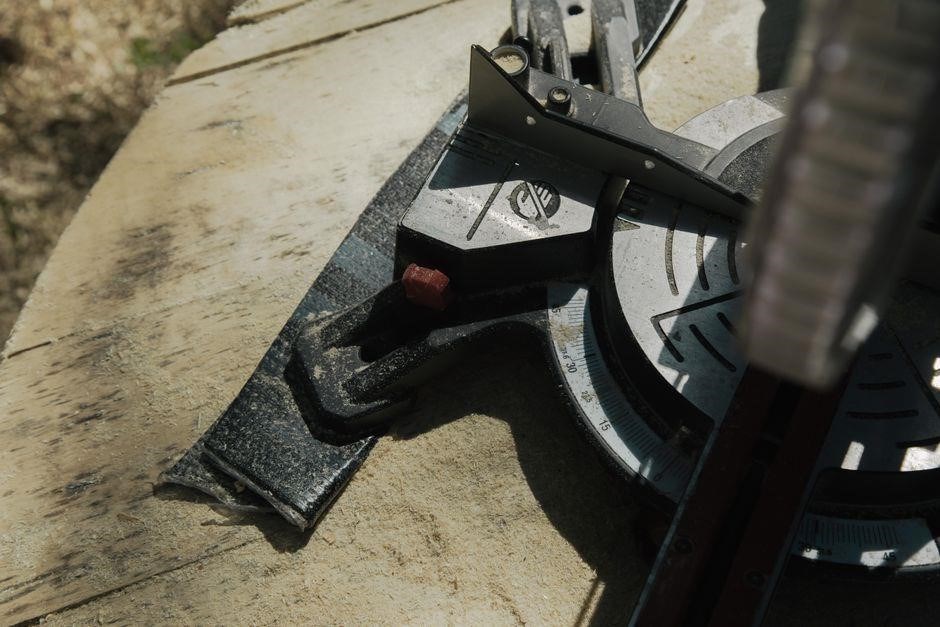
Handheld dovetail saws are the artisans’ choice for precision joinery. Their lightweight construction‚ often made from aluminum or composite handles‚ allows a steady grip while executing tight‚ interlocking cuts. The blade geometry is a narrow‚ high‑tensile steel with a fine tooth pitch‚ enabling clean cuts through hardwoods such as maple‚ cherry‚ or walnut. Many models feature a detachable blade holder‚ allowing quick changes between 1‑inch and 1‑½‑inch blades‚ essential for varying joint sizes. Ergonomic grips reduce fatigue during prolonged use. Some premium models include a built‑in depth gauge‚ enabling consistent dovetail angles without external templates. The saw’s balance point near the handle provides a low center of gravity that enhances control. Users pair these saws with precision marking tools‚ such as a dovetail template and a fine‑point marking knife‚ to transfer layout lines accurately. The overall design prioritizes tactile feedback; the user feels the wood’s resistance and can adjust pressure in real time‚ critical for tight tolerances. They are prized for their precision and durability. Their design reflects centuries of joinery tradition. In a workshop‚ the handheld saw is used with a dovetail jig that holds the workpiece at the correct angle‚ allowing the saw to glide smoothly along the pre‑cut line. The combination of a well‑balanced saw and a stable jig results in joints that fit snugly‚ with minimal gaps and a polished finish that showcases the wood’s grain. For hobbyists and professional cabinetmakers alike‚ the handheld dovetail saw remains indispensable for crafting high‑quality‚ enduring furniture pieces.

Powered Dovetail Saws for Rapid Production
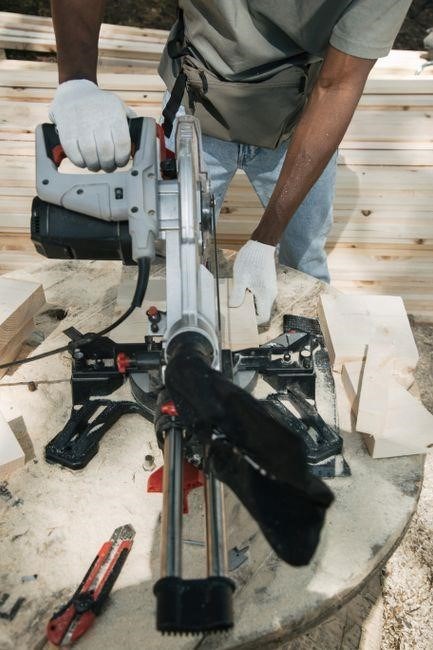
Powered dovetail saws are engineered for high‑volume production‚ combining electric motors with precision blades to produce clean‚ repeatable joints quickly. A typical unit houses a 1.5‑kW induction motor that drives a 45° spindle‚ allowing the blade to cut through hardwoods without stalling. The blade itself is a high‑strength steel or carbide‑tipped design with a fine tooth pitch of 0.25 mm to 0.35 mm‚ ensuring smooth cuts and tight tolerances. Variable‑speed controls let operators adjust the rpm from 3‚000 to 8‚000‚ matching the wood type and joint size. Many saws feature an integrated depth‑sensing system—laser or optical that stops the blade at the correct depth‚ eliminating manual stops and reducing human error. Safety is built in with a blade guard‚ emergency stop‚ and interlock that blocks operation when the guard is open. The frame‚ made from cast iron or steel‚ dampens vibration for consistent cuts even under heavy loads. Ergonomic controls and a lightweight handle reduce operator fatigue during long runs. Maintenance is simplified with quick‑release blade holders and a self‑cleaning spindle. In a production line‚ these saws are paired with CNC‑controlled jigs that position the workpiece precisely‚ allowing for rapid‚ high‑accuracy cuts. The combination of motorized power‚ precise blade control‚ and automated depth sensing makes powered dovetail saws ideal for mass‑producing furniture‚ cabinetry‚ and architectural millwork where speed and consistency are paramount. It also supports quick blade changes soon now!

Choosing the Ideal Dovetail Saw for Your Workshop
Choosing the right dovetail saw balances power‚ blade geometry‚ and ergonomics. A handheld offers precision for fine joinery‚ while a powered unit delivers speed for larger projects. Match motor size‚ blade type‚ and safety features to your workshop
Factors: Power Source‚ Blade Profile‚ and Ergonomics
When selecting a dovetail saw‚ the power source determines the tool’s versatility. A corded electric unit delivers consistent torque for heavy‑cutting‚ while a battery‑powered model offers mobility but may require frequent recharging. For workshops that handle large panels‚ a 1.5‑hp motor is often sufficient‚ whereas a 2‑hp motor can reduce cycle time on thick hardwoods. Battery‑assisted saws typically use 18‑volt or 20‑volt systems; the higher the voltage‚ the smoother the feed and the less vibration felt by the operator. In addition to power‚ the blade profile is critical. A blade with a 0.125‑inch tooth pitch provides a clean cut for fine dovetails‚ whereas a 0.25‑inch pitch is better for rapid material removal. The tooth angle should match the wood species: hardwoods benefit from a 30‑degree angle‚ while softwoods can be cut with a 45‑degree angle to reduce chatter. Ergonomics influence both accuracy and fatigue. A well‑balanced handle reduces wrist strain‚ and a non‑slip grip ensures a steady hand. Adjustable footrests and anti‑kickback mechanisms further enhance safety. The saw’s weight should be balanced so that the operator can maintain a 90‑degree angle to the workpiece for optimal control. Finally‚ consider the tool’s maintenance requirements; you can select a dovetail saw that matches your workshop’s workflow and skill level.
Moreover‚ the choice of blade material—whether high‑speed steel or carbide‑tipped—affects durability. High‑speed steel blades are cost‑effective for light use‚ but they dull quickly on dense hardwoods. Carbide‑tipped blades maintain sharpness longer and are ideal for high‑volume production‚ though they come at a higher upfront cost. Operators should also assess the saw’s vibration dampening system; a built‑in anti‑vibration handle can reduce hand‑shake‚ improving precision on tight joints. Lastly‚ the availability of accessories such as adjustable depth stops and guide rails can streamline setup and ensure repeatable cuts‚ which is essential for a professional workshop environment.
This section emphasizes the importance of aligning the saw’s power‚ blade geometry‚ and ergonomic design to the specific demands of your workshop‚ ensuring precision‚ safety‚ and long‑term efficiency.
Budgeting and Cost-Effectiveness Considerations
Choosing a dovetail saw involves balancing upfront cost against long‑term savings. A basic hand‑held saw may cost $200–$300‚ but it requires frequent sharpening and limits production speed. A mid‑range powered saw priced at $600–$800 offers a longer life and lower operating costs‚ especially if you use a durable blade that lasts 200–300 cuts. For high‑volume workshops‚ investing in a $1‚200–$1‚800 industrial model can reduce labor time by up to 50%‚ offsetting the initial outlay over a five‑year period. When budgeting‚ factor in consumables: blades‚ sharpening tools‚ and replacement parts can add 10–15% to annual expenses. Energy consumption is another variable; a 1.5‑hp corded saw uses roughly 0.75 kWh per hour‚ whereas a battery model consumes 0.3 kWh per charge cycle‚ translating to lower utility bills. Maintenance plans‚ such as scheduled blade checks‚ can prevent costly downtime. Additionally‚ consider resale value; high‑quality saws retain 40–60% of their purchase price after five years. By comparing total cost of ownership—including purchase price‚ energy use‚ consumables‚ and labor—you can identify the most cost‑effective solution for your specific workflow. Remember to account for workspace constraints; a bulky machine may require additional storage costs or workspace reconfiguration. Finally‚ evaluate financing options or leasing programs that spread the cost over time‚ making premium equipment more accessible without compromising project budgets.
In addition‚ consider the durability of the handle and grip; a reinforced polymer handle can last longer than a wooden one‚ reducing replacement costs. The availability of aftermarket accessories‚ such as adjustable depth stops and guide rails‚ can also affect the overall cost. If you plan to use the saw for multiple projects‚ investing in a higher‑grade blade set may be more economical than repeatedly purchasing lower‑grade blades. Finally‚ always compare warranties; a two‑year warranty on the motor and blade can save you from unexpected repair expenses.
Technique and Skill Development for Dovetail Saw Use
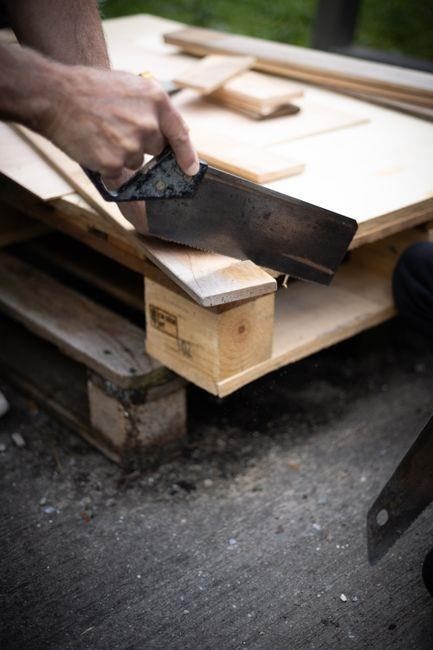
Mastering dovetail saws requires a steady hand‚ precise rhythm‚ and patience. Start with a firm grip‚ align the blade‚ and keep a consistent feed rate. Practice on scrap‚ adjust depth gradually‚ and refine joints for clean‚ tight results.
Marking and Layout Preparation for Accurate Cuts
Accurate dovetail joints begin with meticulous marking. First‚ use a sharp pencil and a high‑contrast ruler to draw the dovetail pattern on the workpiece. The tails and pins should be spaced evenly‚ with a 1:1.5 ratio of width to length for most hardwoods. Mark the cutting lines with a fine‑pointed scribe‚ ensuring the lines are straight and intersect at the correct angles.
Next‚ verify the layout by placing a template or a template block on the board. This helps confirm that the spacing and angles match the intended design. Use a combination square to check the perpendicularity of the tail lines to the board’s edge.
Before cutting‚ clamp the board to a stable workbench and secure the saw’s guide rail. The guide should be set to the exact depth of the dovetail cut‚ typically 1/8 to 1/4 inch for a 3‑inch pin. Mark the depth on the guide rail with a small notch or a marker.
When you begin the cut‚ keep the saw’s blade perpendicular to the board’s face. A slight tilt will cause the blade to wander‚ producing uneven tails; A steady rhythm‚ allowing the blade to do the work rather than forcing it.
After each cut‚ measure the resulting tail width with a caliper. The measurement should be within ±0.010 inches of the planned width. If it deviates‚ adjust the guide rail or the blade depth accordingly. Repeat this process for each tail and pin until the joint is complete.
Finally‚ verify joint fit by sliding the pin into the tail; adjust as needed to achieve a seal tight before finishing. !
Executing Smooth Sawing and Maintaining Joint Tolerance
After confirming the layout‚ the saw must run with a rhythm that balances speed and control. Begin each pass at the tail’s base‚ allowing the blade to settle into the groove before applying forward pressure. A steady‚ even feed keeps the blade aligned with the guide rail‚ preventing binding that could distort the dovetail profile. Avoid forcing the saw; instead‚ let the blade’s weight do the cutting‚ which reduces vibration and preserves blade integrity.
Blade angle is critical for precision. Keep the saw perpendicular to the board’s face; a slight tilt widens the cut and throws off the joint’s tightness. Use a small depth gauge or a notch on the guide rail to maintain the blade at the exact depth for each cut. After the first pass‚ check the depth with a ruler or caliper; if the depth deviates by more than 0.005 inches‚ adjust the guide before proceeding.
When cutting the pin‚ maintain a straight‚ horizontal motion. Lateral wobble will create a skewed pin that cannot seat properly. If the pin appears too wide‚ trim the tail lightly with a sharp chisel before re‑cutting. This fine adjustment ensures the pin fits snugly without forcing the joint‚ preserving the strength of the dovetail.

Joint tolerance is monitored continuously by fitting the pin into the tail after each cut. The joint should close tightly but not bind. If the fit is too tight‚ remove a fraction of the tail width with a fine‑pointed file. If it’s too loose‚ add a small amount of wood with a precise chisel or a thin wood filler strip‚ then re‑cut to achieve the desired seal.
Throughout the process‚ keep the blade and guide rail clean. Sawdust buildup can impede blade movement and introduce errors. Wipe the guide rail with a damp cloth‚ then dry it thoroughly. A clean‚ lubricated blade cuts smoothly‚ reducing the risk of chatter and maintaining the joint’s exactness.
After completing all cuts‚ perform a final fit check. The pin should slide into the tail with a firm‚ clean contact on all sides. If any gaps remain‚ use a fine file or a small chisel to trim the tail edges until the joint is flush. A well‑executed dovetail not only looks sharp but also stands the test of time‚ thanks to the meticulous sawing and tolerance maintenance described above.
Maintenance‚ Safety‚ and Longevity of Dovetail Saws
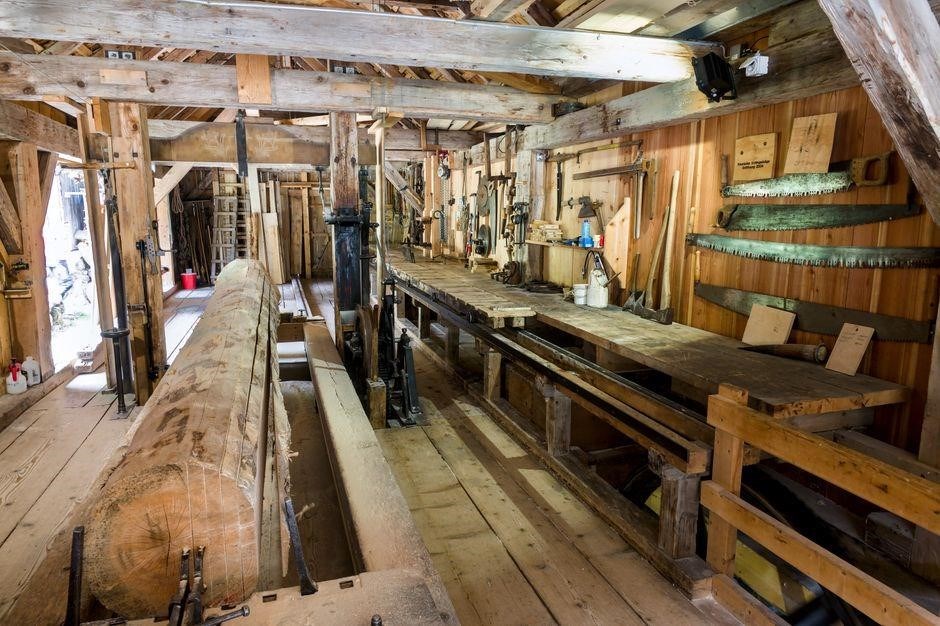
Keep blades sharp with routine sharpening‚ clean debris after each use‚ and apply light oil to reduce wear. Follow safety rules: wear goggles‚ secure workpiece‚ and avoid over‑pressure. Proper care extends tool life.Keep it dry to avoid rust!
Regular Sharpening‚ Cleaning‚ and Lubrication Practices
Regular sharpening‚ cleaning‚ and lubrication are the cornerstones of a dovetail saw’s performance and durability. Start by inspecting the blade for chips‚ dullness‚ or warping. Use a sharpening jig or a bench grinder set to a 30‑35° angle‚ matching the saw’s original bevel. Progressively sharpen from the tip to the base‚ maintaining a consistent edge to avoid uneven cuts. After each sharpening session‚ wipe the blade with a clean‚ lint‑free cloth to remove metal filings and residual oil. Next‚ clean the saw’s body and handle with a mild detergent solution‚ rinsing thoroughly to eliminate dust and sawdust that can corrode metal parts. Dry the tool completely with a soft towel before applying lubrication. A light coat of high‑quality machine oil or a silicone‑based lubricant on the blade’s cutting edge and the pivot points reduces friction‚ prolongs blade life‚ and ensures smooth operation. Store the saw in a dry‚ temperature‑controlled environment‚ preferably in a protective case or on a dedicated rack to prevent accidental damage. Regular maintenance not only preserves the tool’s sharpness but also enhances safety by reducing the risk of sudden blade failure during use. By incorporating these practices into a routine schedule—sharpening every 10–15 cuts‚ cleaning after each session‚ and lubricating monthly—woodworkers can enjoy consistent‚ precise dovetail cuts while extending the saw’s functional lifespan. This routine also reduces the need for replacements. Consistent care keeps joints tight and surfaces.
Also‚ check the handle for cracks and tighten screws. Run a straightedge along the blade to spot misalignment. Keep a log of sharpening dates and cuts performed to predict wear and schedule maintenance.
Safety Protocols and Protective Equipment Usage
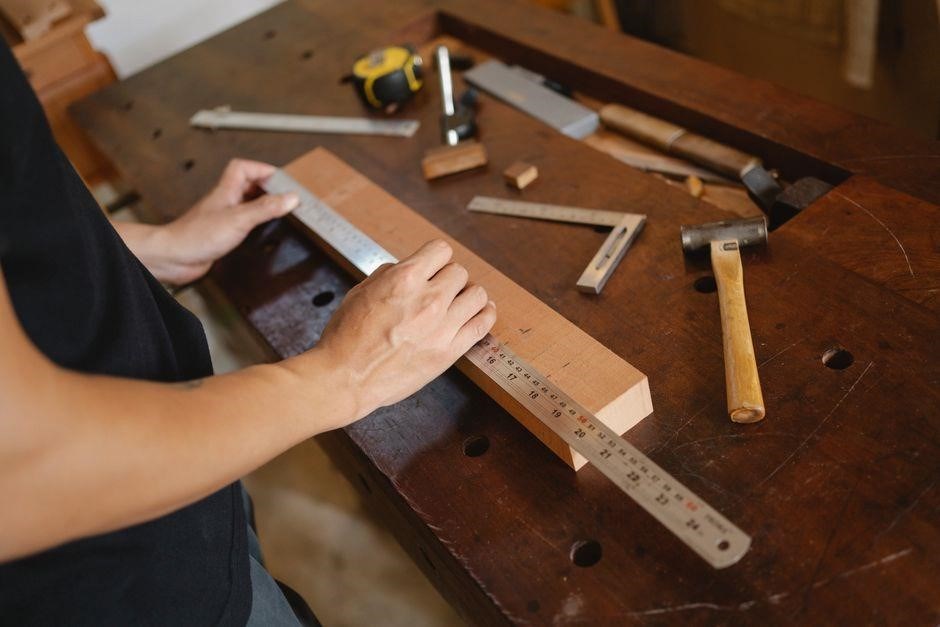
Operating a dovetail saw requires strict safety measures and proper gear. Prior to use‚ inspect the blade for cracks‚ loose fittings‚ or dullness; replace any damaged part immediately. Secure the workpiece on a stable table and clamp it firmly to prevent movement. Wear a face shield or safety goggles to protect the eyes from sawdust and metal shavings‚ and use a dust mask or respirator rated for fine particulate to guard the respiratory tract. Ear protection—double‑layer earplugs or a noise‑attenuating earmuff—should be worn when powered saws are used‚ especially if ambient noise exceeds 85 dB. Cut‑resistant gloves that allow tactile feedback; avoid thin or synthetic gloves that can slip. Keep loose clothing‚ jewelry‚ and hair tied back. Maintain a clear work area and remove any tools that could become projectiles. When using powered saws‚ keep the blade away from the body‚ never place a hand on the blade while it is running‚ and use a push‑stick or mechanical guide to keep fingers at a safe distance. If the saw stalls or the blade jams‚ cut power immediately and let the blade stop before clearing the obstruction. After each session‚ clean the saw and the work area to remove sawdust and debris‚ and store the tool in a dry‚ well‑ventilated area. Regularly inspect and replace worn or damaged protective equipment to maintain effectiveness. By following these protocols‚ woodworkers can minimize injury risks and ensure a safe‚ productive environment. Always!